

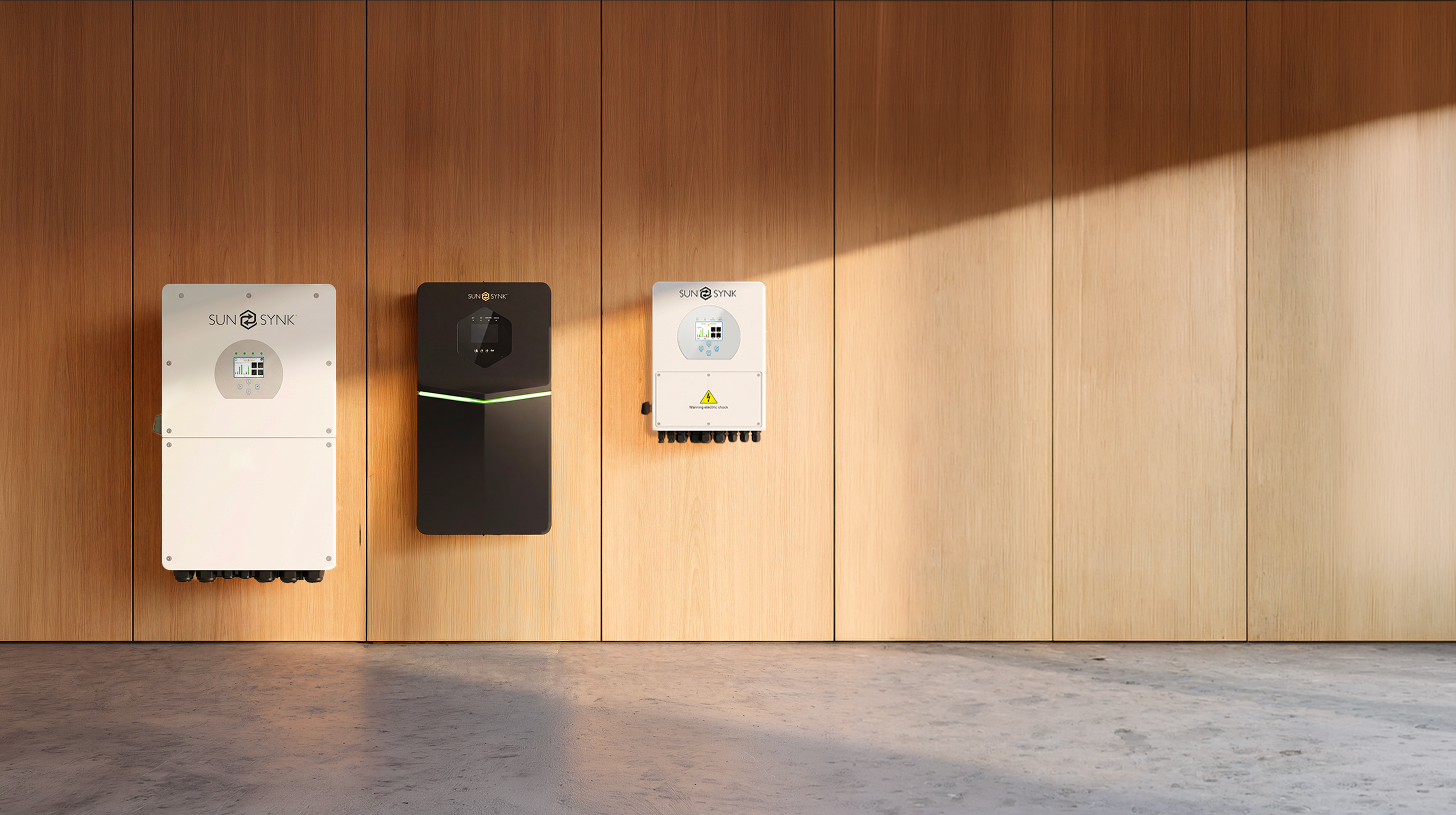
يقوم العاكس الشمسي بتحويل الكهرباء التيار المستمر من الألواح الشمسية إلى طاقة تيار متردد قابلة للاستخدام في منزلك. تعرف على كيفية عمل هذه التقنية ولماذا يعتبر اختيار العاكس المناسب أمرًا مهمًا.
العاكس الشمسي هو المكون الأساسي في أي نظام طاقة شمسية. بدونه، لا يمكن للكهرباء المولدة من الألواح الشمسية تشغيل أي جهاز في منزلك. فهم كيفية عمل العاكس الشمسي يساعدك على اتخاذ قرارات أفضل بشأن تصميم النظام، اختيار المنتجات، وتوفير الطاقة على المدى الطويل.
تم تقدير سوق العاكسات الشمسية العالمي بأكثر من 10 مليارات دولار أمريكي في عام 2023 ويستمر في النمو مع تبني المزيد من أصحاب المنازل والشركات لأنظمة الطاقة المتجددة. في المملكة المتحدة وحدها، من المتوقع تركيب أكثر من مليون نظام تخزين بطاريات شمسية بحلول عام 2030، وفقًا لمؤسسة توفير الطاقة. العاكس يقع في قلب كل واحد منها.
تشرح هذه المقالة ما يفعله العاكس الشمسي، الأنواع المختلفة المتاحة، ولماذا يهم الاختيار الصحيح لنظامك.
ما هو العاكس الشمسي؟
العاكس الشمسي هو جهاز إلكتروني يحول الكهرباء ذات التيار المستمر (DC)، التي تنتجها الألواح الشمسية، إلى كهرباء ذات تيار متردد (AC)، وهو الشكل القياسي المستخدم من قبل الأجهزة المنزلية والشبكة الوطنية.
تولد الألواح الشمسية طاقة DC لأنها تنتج تدفقًا ثابتًا وأحادي الاتجاه للإلكترونات. تعمل الأسلاك والإضاءة والأجهزة في منزلك على طاقة AC، التي تعكس الاتجاه عدة مرات في الثانية. الجسر الذي يربط بينهما هو العاكس.
إلى جانب التحويل الأساسي، يؤدي العاكس الشمسي الحديث عدة أدوار أخرى، بما في ذلك مراقبة أداء النظام، حماية الشبكة من مشاكل التغذية العكسية، وفي حالة العاكسات الهجينة، إدارة تخزين البطاريات والتفاعل مع الشبكة.
حقيقة رئيسية
يجب أن تتوافق جميع العاكسات الشمسية المتصلة بالشبكة في المملكة المتحدة مع توصيات الهندسة G98 أو G99، التي تحكم كيفية اتصال معدات التوليد الموزعة بشبكة الكهرباء.
المصدر: جمعية شبكات الطاقة، متطلبات G98/G99، 2019.
كيف يحول العاكس الشمسي طاقة DC إلى طاقة AC؟
تحدث عملية التحويل في عدة مراحل داخل وحدة العاكس.
المرحلة 1: تتبع نقطة الطاقة القصوى (MPPT)
قبل بدء التحويل، يراقب دائرة MPPT الخاصة بالعاكس الخرج من الألواح الشمسية ويضبط الحمل الكهربائي باستمرار لاستخراج أقصى طاقة متاحة. يختلف خرج الألواح الشمسية مع شدة ضوء الشمس، درجة الحرارة، والظل، لذا فإن MPPT ضروري للكفاءة. تستخدم معظم العاكسات عالية الجودة، بما في ذلك مجموعة Sunsynk Lynks وLP، MPPT ثنائي أو متعدد القنوات للتعامل مع الألواح على اتجاهات سقف مختلفة.
المرحلة 2: تحويل DC إلى AC
يستخدم العاكس الإلكترونيات القوية، عادةً الترانزستورات ثنائية القطب المعزولة (IGBTs) أو MOSFETs، لتبديل التيار المستمر وتشغيله وإيقافه بتردد عالٍ. هذا يخلق موجة متدرجة أو معدلة يتم تصفيتها وتنعيمها إلى موجة جيبية نظيفة تتطابق مع تردد الشبكة البالغ 50 هرتز في المملكة المتحدة. تؤثر جودة هذه الموجة الخارجة بشكل مباشر على أداء الإلكترونيات الحساسة.
المرحلة 3: التزامن مع الشبكة والتصدير
بمجرد إنتاج خرج AC، يقوم العاكس بمزامنة مع تزويد الشبكة من حيث الجهد، التردد، والطور. فقط بعد ذلك يسمح بتدفق الطاقة. هذا التزامن يحمي كل من النظام الكهربائي لمنزلك والشبكة الأوسع. إذا فشلت طاقة الشبكة أو انخفضت خارج المعايير المقبولة، يفصل العاكس تلقائيًا، وهو مطلب تحت G98/G99 لحماية المهندسين العاملين على الشبكة.
دليل
يمكن لبنية MPPT متعددة السلاسل استعادة ما يصل إلى 25٪ من الطاقة من المصفوفات المظللة جزئيًا أو ذات الاتجاهات المختلطة مقارنةً بالتصاميم ذات MPPT الواحد.
المصدر: توليد الطاقة المتجددة IET، 2021
ما هي الأنواع المختلفة من العاكسات الشمسية؟
تتوفر عدة أنواع من العاكسات الشمسية للتركيبات السكنية والتجارية. يعتمد الاختيار الصحيح على حجم نظامك، تخطيط السقف، وما إذا كنت تخطط لإضافة تخزين للبطارية.
عاكسات السلسلة: النوع الأكثر شيوعًا للأنظمة السكنية. يتم توصيل عدة ألواح معًا في سلاسل متسلسلة وتتصل بعاكس واحد. فعال من حيث التكلفة وسهل الصيانة، ولكن يمكن تقليل الخرج إذا كان أداء أحد الألواح ضعيفًا بسبب الظل.
الميكروعاكسات: يتم تركيبها مباشرة على كل لوحة فردية، وتحويل DC إلى AC في المصدر. مثالية للأسطح المعقدة ذات الظل الجزئي، على الرغم من أن تكاليف التركيب أعلى.
العاكسات الهجينة: تجمع بين التحويل الشمسي وإدارة البطارية في وحدة واحدة، مما يجعلها الخيار القياسي للأنظمة التي تحتوي على تخزين للطاقة. تم تصميم مجموعة العاكسات الهجينة من Sunsynk لهذا الاستخدام.
عاكسات السلسلة مع محسنات DC: حل متوسط يضيف تحسين الطاقة على مستوى اللوحة إلى إعداد سلسلة قياسي، مما يحسن الإنتاجية دون التكلفة الكاملة للميكروعاكسات.
العاكسات ذات الجهد العالي: مصممة للتطبيقات السكنية الكبيرة أو التجارية الخفيفة حيث توفر الفولتية العالية للبطارية كفاءة أكبر على مسافات الكابلات الطويلة.
بالنسبة لمعظم أصحاب المنازل في المملكة المتحدة الذين يضيفون أو يطورون نظامًا شمسيًا وبطاريًا، فإن العاكس الهجين هو الخيار الأكثر عملية والمستقبلي. يمكنك استكشاف مجموعة العاكسات الكاملة من Sunsynk على Sunsynk.org/products/inverters.
ما الذي يفعله العاكس الشمسي الهجين بشكل مختلف؟
يتجاوز العاكس الشمسي الهجين التحويل البسيط من DC إلى AC. يدير تدفقات الطاقة بين أربعة مصادر في وقت واحد: الألواح الشمسية، تخزين البطارية، الشبكة، وأحمال منزلك.
إليك كيف يبدو هذا الإدارة في الممارسة العملية. خلال ساعات النهار، يتم توجيه الطاقة الشمسية الفائضة التي لا يمكن استخدامها فورًا إلى البطارية بدلاً من تصديرها إلى الشبكة بأسعار تعريفة تغذية منخفضة. في المساء أو في الأيام الغائمة، تفرغ البطارية لتزويد المنزل، مما يقلل الاعتماد على كهرباء الشبكة بأسعار الذروة. إذا كانت البطارية مستنفدة أو كان الطلب مرتفعًا جدًا، يسحب العاكس بسلاسة من الشبكة.
تدعم العاكسات الهجينة المتقدمة، مثل سلسلة Lynks من Sunsynk، أيضًا تحسين التعريفة الزمنية، مما يسمح للنظام بشحن البطاريات من الشبكة ليلاً عندما تكون أسعار الكهرباء في أدنى مستوياتها، ثم التفريغ خلال فترات الذروة المكلفة. يمكن لهذه الوظيفة وحدها أن تقلل بشكل كبير من فواتير الطاقة للأسر التي تعتمد على التعريفات المتغيرة مثل Octopus Agile أو Economy 7.
تتوافق العاكسات الهجينة من Sunsynk أيضًا مع تطبيق Sunsynk Connect، الذي يوفر مراقبة في الوقت الفعلي لجميع تدفقات الطاقة والتحكم عن بُعد في النظام. للحصول على حل تخزين طاقة كامل يجمع بين العاكس والبطارية في حاوية واحدة، قم بزيارة Sunsynk.org/products/all-in-one.
الأسئلة الشائعة
ما الذي يفعله العاكس الشمسي بالفعل؟
يحول العاكس الشمسي الكهرباء DC من الألواح الشمسية إلى كهرباء AC التي يمكن لأجهزة منزلك والشبكة استخدامها. كما يتعامل مع تزامن الشبكة، فصل الأمان، وفي النماذج الهجينة، يدير شحن وتفريغ البطارية لزيادة الاستهلاك الذاتي.
كم يدوم العاكس الشمسي؟
تحمل معظم العاكسات الشمسية عالية الجودة ضمانًا من الشركة المصنعة يتراوح بين 5 إلى 10 سنوات ولها عمر تشغيلي نموذجي يتراوح بين 10 إلى 15 عامًا. يعتمد العمر الافتراضي على درجة حرارة التشغيل، جودة التركيب، وبناء المنتج. تم تصميم واختبار عاكسات Sunsynk للاستخدام السكني طويل الأمد في المملكة المتحدة.
ما الفرق بين العاكس الهجين والعاكس العادي؟
العاكس السلسلة العادي يحول فقط طاقة DC الشمسية إلى AC. يقوم العاكس الهجين بذلك وأيضًا يدير نظام تخزين البطارية، منسقًا تدفقات الطاقة بين الشمسية، البطارية، الشبكة، وأحمال المنزل. العاكسات الهجينة هي الخيار المفضل لأي تركيب يتضمن أو يخطط لإضافة بطارية.
هل أحتاج إلى عاكس جديد إذا أضفت بطارية إلى نظام شمسي موجود؟
إذا كان نظامك الشمسي الحالي يستخدم عاكس سلسلة عادي، فستحتاج عادةً إما إلى استبداله بعاكس هجين أو إضافة عاكس بطارية متصل بالتيار المتردد منفصل. يتعامل العاكس الهجين من Sunsynk مع كل من إدارة الطاقة الشمسية والبطارية في وحدة واحدة، مما يبسط التركيب ويقلل من تكاليف المعدات.
هل يمكن للعاكس الشمسي العمل بدون تخزين البطارية؟
نعم. يمكن للعاكس الشمسي العمل بدون بطارية وتحويل الطاقة الشمسية للاستخدام الفوري أو التصدير إلى الشبكة. ومع ذلك، بدون بطارية، يتم تصدير أي طاقة فائضة لا تُستخدم في المنزل بأسعار منخفضة، مما يحد من مدخراتك. إضافة التخزين يزيد من قيمة توليد الطاقة الشمسية لديك.
النقاط الرئيسية
العاكس الشمسي هو الرابط الأساسي بين الألواح الشمسية والكهرباء التي يمكن لمنزلك استخدامها بالفعل. فهم كيفية عمله يساعدك على اختيار المنتج المناسب والحصول على أقصى استفادة من استثمارك.
جميع العاكسات الشمسية تحول طاقة DC من الألواح إلى طاقة AC للاستخدام المنزلي والاتصال بالشبكة.
تضيف العاكسات الهجينة إدارة البطارية، تحسين التعريفة الزمنية، والتحكم الذكي في الطاقة.
اختيار عاكس مع MPPT ثنائي أو متعدد القنوات يحسن الإنتاجية من التخطيطات السقفية المظللة أو المعقدة.
تغطي مجموعة العاكسات الهجينة من Sunsynk التطبيقات السكنية والتجارية الخفيفة عبر مجموعة من معدلات الطاقة.
سواء كنت تخطط لتركيب نظام شمسي وبطاري جديد أو تطوير نظام موجود، تقدم Sunsynk عاكسات هجينة مصممة لظروف المملكة المتحدة، معايير الشبكة في المملكة المتحدة، وتعريفات الطاقة في المملكة المتحدة.
عرض المجموعة الكاملة من عاكسات Sunsynk, بما في ذلك المواصفات، أوراق البيانات، وأنظمة البطاريات المتوافقة.
أخبار ذات صلة

1 أكتوبر 2026
The Sunsynk Maximus Inverter Powers Missouri Farm Solar Installation
22 سبتمبر 2026
ما هو العاكس الهجين؟
22 سبتمبر 2026
العاكس أحادي الطور مقابل العاكس ثلاثي الطور: أيهما مناسب لعقار في المملكة المتحدة
22 سبتمبر 2026