

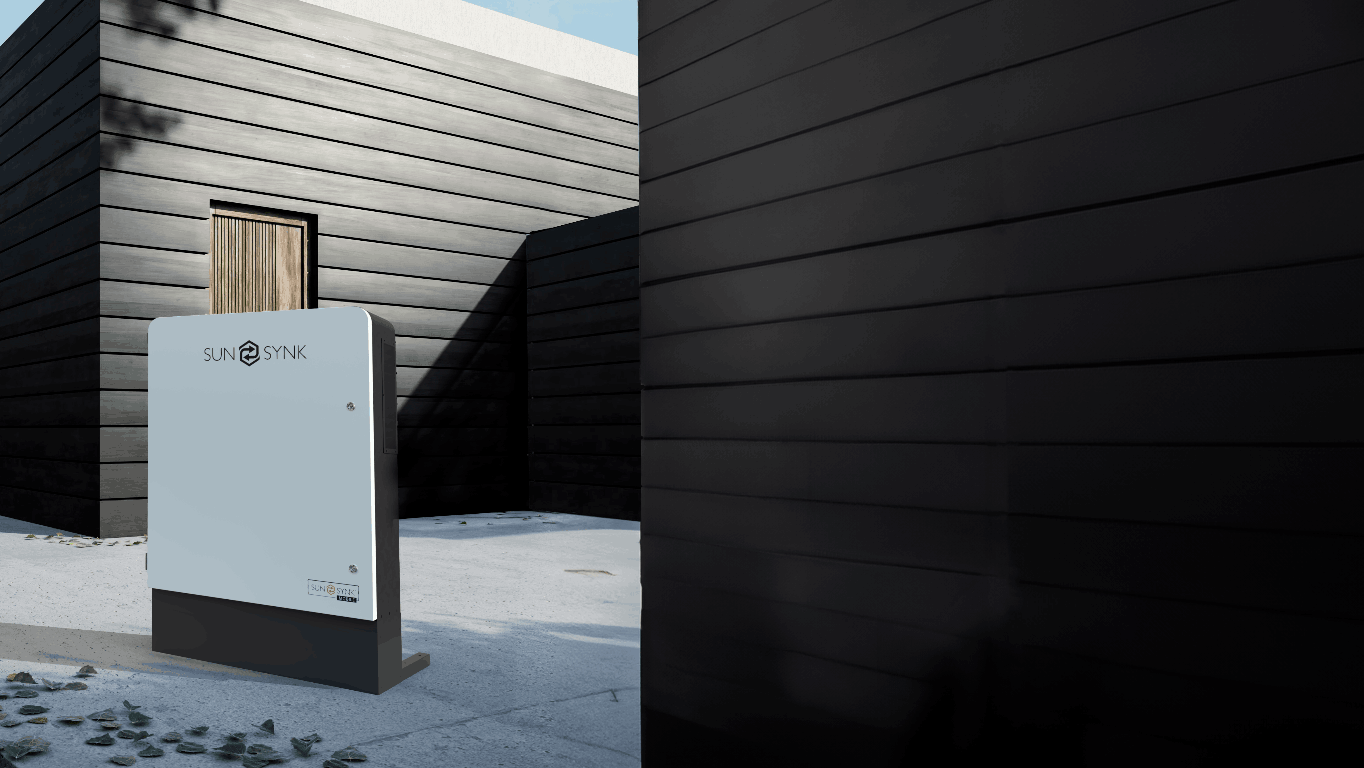
A guide to choosing a solar battery, covering sizing, LiFePO4 chemistry, certification and warranty terms for UK homes and businesses.
Choosing a solar battery means matching a system to how a home or business actually uses power, not just picking the largest capacity available. An undersized battery runs out of stored energy before the evening peak. One that is oversized ties up money in storage that rarely gets used.
Getting the balance right depends on daily consumption, the size of the solar array feeding the battery and how consistent the property’s power supply needs to be. This guide sets out the main factors installers and buyers weigh up when specifying a solar battery, including chemistry, sizing, certification and how a standalone battery compares with an all-in-one storage system. Reviewing energy bills from the last twelve months before speaking to an installer gives both parties a clearer starting point than relying on rough estimates.
Start with how much energy the property actually uses
The right battery size follows from average daily electricity consumption, not from the size of the roof or the number of panels installed. A typical UK household uses between 8 and 12 kilowatt hours a day. A battery sized to cover the evening and overnight period, when solar generation drops to zero, needs enough usable capacity to bridge that gap. Commercial premises with shift patterns or refrigeration loads often need a closer look at hourly demand rather than a daily average, since a single spike in the afternoon can call for a different discharge rate than the daily total suggests.
An installer will normally ask for at least twelve months of half-hourly consumption data, or a recent set of bills, before recommending a battery capacity. Buyers researching independently can get a workable estimate by adding up the rated wattage of appliances that run after sunset and multiplying by the hours they are typically in use. Properties considering an electric vehicle charger, a heat pump or air conditioning should factor in the additional load those appliances add before finalising battery size, since new appliances can shift daily consumption higher than historical bills suggest.
Battery chemistry: why LiFePO4 has become the default choice
Lithium iron phosphate, usually shortened to LiFePO4 or LFP, has replaced older lithium ion chemistries such as NMC in most home and commercial storage products sold in the UK. The chemistry runs cooler, degrades more slowly across repeated charge cycles and does not rely on cobalt or nickel, which keeps supply chains simpler and reduces fire risk compared with earlier lithium formats.
A LiFePO4 battery rated for 6,000 or more cycles at 80% depth of discharge will typically still hold a meaningful share of its original capacity after a decade of daily use, provided it is kept within the manufacturer’s temperature range. Lead-acid and older lithium-ion alternatives remain on the market at a lower upfront cost, but the shorter cycle life and lower usable depth of discharge usually work out more expensive across the life of the system.
Sizing for capacity, depth of discharge and discharge rate
Capacity, quoted in kilowatt hours, tells buyers how much energy a battery can store, but usable capacity is what matters day to day. Depth of discharge describes the proportion of that stored energy which can be drawn down without shortening the battery’s working life. LiFePO4 batteries typically allow 90 to 100% depth of discharge compared with 50% or less for lead-acid.
The discharge rate, often given as a C rating, sets the maximum power the battery can deliver at once. A battery with plenty of stored energy but a low discharge rate will struggle to run high-draw appliances such as an electric shower or a workshop tool simultaneously, so buyers running heavier loads need to check power output alongside total capacity rather than capacity on its own.
Certification, safety rating and warranty terms worth checking
MCS certification confirms that a product meets the UK’s technical and safety standards for renewable energy installations and is required for most government-backed incentive schemes. An IP65 rating indicates the battery enclosure is sealed against dust and low-pressure water jets, which matters for units mounted in garages, outbuildings or partially exposed locations.
G98 and G99 are the UK standards covering how a battery and inverter connect to the electricity grid, with G98 applying to smaller residential systems and G99 covering larger installations that require distribution network operator approval before connection.
Warranty length and terms vary between manufacturers, so it is worth checking the detail before comparing on price alone. Sunsynk backs its batteries with a 10-year warranty. Its hybrid inverters carry a 5-year warranty as standard, extending to 10 years when bought as part of a combined inverter and battery system. Buyers should ask each manufacturer what their standard warranty covers, and whether buying a battery and inverter together extends inverter cover, since this varies between brands.
Standalone battery or all-in-one storage system
A standalone battery pairs with a separate hybrid inverter, giving buyers more flexibility to size the inverter and battery independently or add capacity later. An all-in-one system combines the inverter and battery in a single enclosure, which suits properties with limited space and reduces the number of separate components an installer needs to mount and wire.
Sunsynk’s all-in-one range is aimed at residential and light commercial sites where a compact, plug-and-play unit is preferable to a multi-component setup. The standalone battery range suits larger installations or sites planning to expand storage capacity in stages. Reviewing both product ranges before speaking to an installer helps narrow down which configuration fits the property.
Working with an MCS-accredited installer
A qualified installer will confirm the property’s existing electrical supply can support the chosen battery, check the site for ventilation and mounting requirements and complete the paperwork needed for grid connection and any applicable incentive scheme. Getting quotes from more than one MCS-accredited installer allows buyers to compare not just price but the proposed system size and the reasoning behind it. Ask each installer for a written system design showing expected battery capacity, inverter rating and projected annual savings, since a written design is easier to compare across quotes than a verbal estimate alone.
Buyers can use Sunsynk’s installer finder to locate an approved installer in their area who is trained on the specific product range being considered.
Monitoring and getting the most from a solar battery
Most modern batteries pair with an app or web portal that shows charge level, daily generation and how power is currently flowing between the panels, the battery, the property and the grid. Reviewing this data over the first few weeks after installation helps confirm the battery is charging and discharging on the schedule expected, particularly where a time-of-use electricity tariff means charging from the grid overnight at a lower rate makes sense alongside charging from solar during the day.
Firmware updates from the manufacturer can change how the battery manages charging priorities, so keeping the monitoring app up to date and checking for available updates every few months helps the system keep performing as intended. Buyers who plan to add solar panels, a second battery unit or an EV charger later should ask their installer whether the monitoring platform and communication protocol support that kind of expansion before committing to a particular brand.
Frequently Asked Questions
How long does a solar battery last?
Most LiFePO4 batteries are rated for 6,000 to 10,000 charge cycles at high depth of discharge, which typically translates to 10 to 15 years of daily use before capacity drops below a useful level. Actual lifespan depends on temperature, cycling frequency and whether the battery stays within its rated depth of discharge.
What size solar battery do I need?
Battery size depends on daily electricity consumption rather than roof size or panel count. Most UK households with typical usage of 8 to 12 kilowatt hours a day are suited to a battery in the 5 to 10 kilowatt hour range, though an installer should confirm sizing against actual consumption data.
Is LiFePO4 safer than other lithium batteries?
LiFePO4 batteries run cooler and are more thermally stable than older lithium-ion chemistries such as NMC, which lowers the risk of thermal runaway. This stability is one reason LiFePO4 has become the standard chemistry for home and commercial energy storage in the UK.
Can I add extra battery capacity later?
Many standalone battery systems allow additional battery units to be added within the inverter’s rated capacity, so buyers planning to expand storage later should check the maximum supported capacity before installation. All-in-one systems are typically less flexible to expand than standalone setups.
Choosing a battery that matches how the property is actually used
The battery that suits a property is the one sized against real consumption data, matched to a chemistry with a long working life and backed by clear warranty terms rather than the largest number on a spec sheet.
Buyers weighing up chemistry, sizing, certification and warranty terms before contacting an installer tend to end up with a system that fits both their budget and their actual energy use.
Related News

29 September 2026
Whole-Home Backup Explained: Solar, Batteries and Power Outages
22 September 2026
Single-Phase vs Three-Phase Inverter: Which Is Right for a UK Property
22 September 2026
What Is a Hybrid Inverter and How Does It Work?
22 September 2026